The Cost of Living in Arizona — An Honest Breakdown
Housing, cooling bills, water, taxes and cars. An honest breakdown of what your money does in Arizona, and the costs newcomers consistently underestimate.
People move to Arizona for the weather, the space, and — very often — because their housing budget goes further here than where they came from. All three are real. But "cost of living" is a phrase that hides a lot of detail, and the costs that catch newcomers out are rarely the ones they researched.
Here is an honest look at what actually moves the number.
Housing is the headline, and it is genuinely the biggest lever
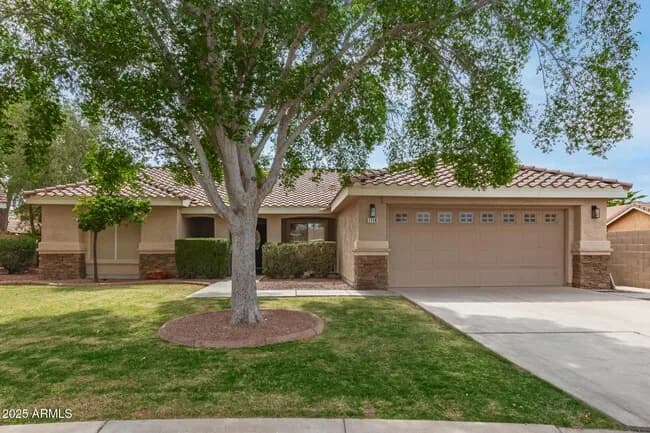
For most households, housing is the largest single line item, and it is where Arizona's advantage is most obvious against coastal markets.
As of early 2026, the Phoenix market has settled into what analysts describe as slow and stable: typical home values around $403,800, median sale prices running in the mid-to-high $400,000s depending on which source you use, homes taking roughly 53–62 days to sell, and active listings above 7,000. Forecasts point to modest growth of roughly 2%–4% through late 2026 rather than another surge.
What that means practically: there is inventory, there is time to think, and there is room to negotiate — conditions that did not exist in 2021.
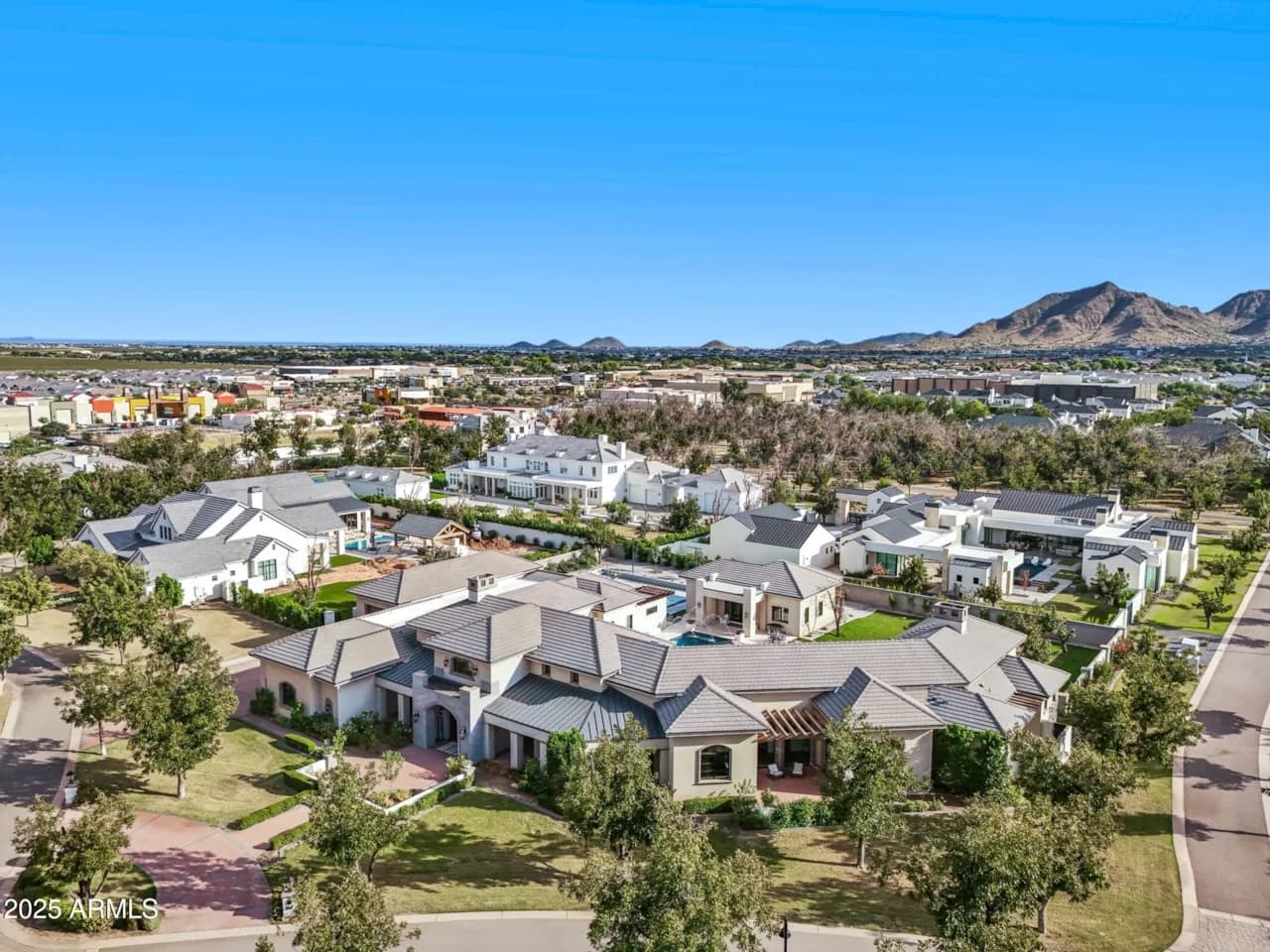
Where you land inside that range depends heavily on which part of the Valley you choose:
- Scottsdale carries a premium for golf, resorts and the preserve
- Chandler and Gilbert sit in the middle, with strong employment and established master-planned communities
- Mesa offers more home for the money across a very wide range of ages and styles
- Queen Creek and the outer East Valley trade commute time for square footage and land
If you want the detail for a specific city, each has its own page: Phoenix, Scottsdale, Chandler, Gilbert, Mesa and Queen Creek.
Summer cooling is the cost people underestimate most
This is the one. Newcomers budget for a mortgage and forget that from roughly May through September, air conditioning runs hard.
The bill is not a mystery, though — it is knowable in advance:
- Ask for the last 12 months of utility bills on any home you are seriously considering. Sellers can usually produce them, and the number tells you more about the house than any listing description.
- Ask the age and efficiency rating of the HVAC unit. A 15-year-old unit and a new high-efficiency one produce very different summers.
- Ask which utility serves the property and which rate plan the home is on. Plans differ meaningfully, and some reward shifting usage away from peak afternoon hours.
- Look at insulation, window glazing and orientation. A west-facing wall of single-pane glass is a recurring cost, not a one-off.
None of this is exotic. It is just the local equivalent of asking about heating in a cold climate — and it is the single best question a buyer can ask here.
Water, landscaping and pools
Desert landscaping costs less to water than grass, which is why so much of the Valley is xeriscaped. If a home has a large lawn, that is a monthly cost as well as a maintenance one.
Pools are the other item worth pricing honestly. A pool is genuinely lovely for a large part of the Arizona year, and it carries chemicals, electricity, cleaning and eventual resurfacing. If you are choosing between two otherwise similar homes and one has a pool, that difference is not only a purchase-price difference.
Property taxes and the assessment system
Arizona's property tax burden is generally modest by national standards. Two features matter for budgeting:
- Residential property is assessed at a fraction of its value, not its full market price.
- The state constitution caps primary property taxes on an owner-occupied home at 1% of its limited property value.
That said, "generally modest" is not a number you can budget with. Actual bills depend on the county, city, school district and any special districts a parcel sits in — two homes a mile apart can carry meaningfully different bills.
Check the specific parcel with the county assessor before you commit. For a fuller explanation of how the system works, see our guide to Arizona property taxes.
HOA fees
A great many Arizona homes sit in master-planned communities with a homeowners association. Fees vary from nominal to substantial, and what they cover varies just as much — some include front-yard landscaping and community amenities, others cover very little.
Two rules:
- Get the fee and the schedule of what it covers in writing
- Read the CC&Rs before you are emotionally committed to the house, not after
Rules on parking, RVs, short-term rentals, exterior paint colours and even the type of gravel in a front yard are common. None of that is a problem if you know about it going in.
Transport
Outside a handful of walkable pockets — Old Town Scottsdale, downtown Gilbert's Heritage District, downtown Chandler, parts of central Phoenix — the Valley is built around driving. Budget for a car per working adult, insurance, and fuel proportional to a commute that may be longer than you expect on a map, because arterial roads and freeway timing matter more than distance.
This is a real reason to visit at the hour you would actually be commuting before choosing between two neighborhoods.
Groceries, healthcare and everything else
These land closer to national averages and are unlikely to be the deciding factor in a move. They are worth checking against your current spend, but housing, cooling and transport are where the meaningful differences sit.
Putting it together
The honest summary: Arizona usually wins on housing and gives some of it back in summer cooling and driving. For most people relocating from a higher-cost market, the balance still lands comfortably in Arizona's favour — but the households who settle in happily are the ones who priced the whole picture rather than just the purchase price.
If you are weighing a move and want a realistic read on what a specific budget buys in a specific part of the Valley — including what the running costs on those homes actually look like — that is exactly the conversation to have. And if you are selling somewhere else and buying here, the sequencing matters, so say so early.
Talk it through
Have a question about your own situation?
General guidance only goes so far. Send Saro a few details and he’ll give you a straight answer about your home, your neighborhood, and your timeline.
Frequently asked questions
Is Arizona cheaper than California?
For housing, generally yes — and that gap is the single biggest driver of relocation from California to Arizona. But the comparison narrows once you account for summer cooling costs, the near-necessity of a car in most of the Valley, and water-related costs in some outlying areas. Compare total monthly outgoings, not just home price.
How much are summer electricity bills in Phoenix?
There is no single answer, because it depends on the size and age of the home, insulation, the efficiency of the HVAC unit, your utility provider, and which rate plan you are on. This is why it is worth asking for the last 12 months of utility bills on any home you are seriously considering — the number is knowable before you buy, and sellers can usually produce it.
Does Arizona have high property taxes?
Arizona's property tax burden is generally modest by national standards, and the state constitution caps primary property taxes on an owner-occupied home at 1% of its limited property value. Actual bills vary by county, city, school district and special districts, so check the specific parcel with the county assessor rather than assuming a rate.
What do people most often underestimate when moving to Arizona?
Summer cooling costs, the cost of maintaining a pool if the home has one, HOA fees in master-planned communities, and how much driving the Valley's layout requires. None of them are dealbreakers, but all four are easier to plan for than to be surprised by.
Saro Hagobian
REALTOR®, Barrett Real Estate
Saro Hagobian is a Chandler-based Arizona REALTOR® helping buyers, sellers and investors across Phoenix, Scottsdale, Chandler, Gilbert, Mesa and Queen Creek.
More about Saro- cost of living
- moving to arizona
- relocation
- Arizona homes