Moving to Arizona — The Pros and Cons Nobody Puts on a Brochure
What people genuinely like about Arizona after they move, and what they regret. An honest list from a REALTOR® who talks to relocating buyers every week.
I talk to people relocating to Arizona most weeks. The conversations that go well have one thing in common: the person had already thought about the downsides.
So here is the list I would give a friend — what people actually like once they are here, and what they actually regret. Not the tourism-board version.
What people genuinely like
The housing math. This is the reason most people start looking. In July 2026 the median list price per square foot was $631 in Los Angeles County against $267 across the Phoenix–Mesa–Chandler metro (Realtor.com via FRED) — roughly 2.4 times the floor area for the same money. That gap is large enough to change what kind of life is available to you, and it is the single most common reason a move gets made.
Eight months of exceptional weather. October through May is close to unimprovable. Patios get used. Hiking happens year-round in the shoulder seasons. People who move here from a place with real winters are often surprised that this, rather than the money, is what they end up valuing.
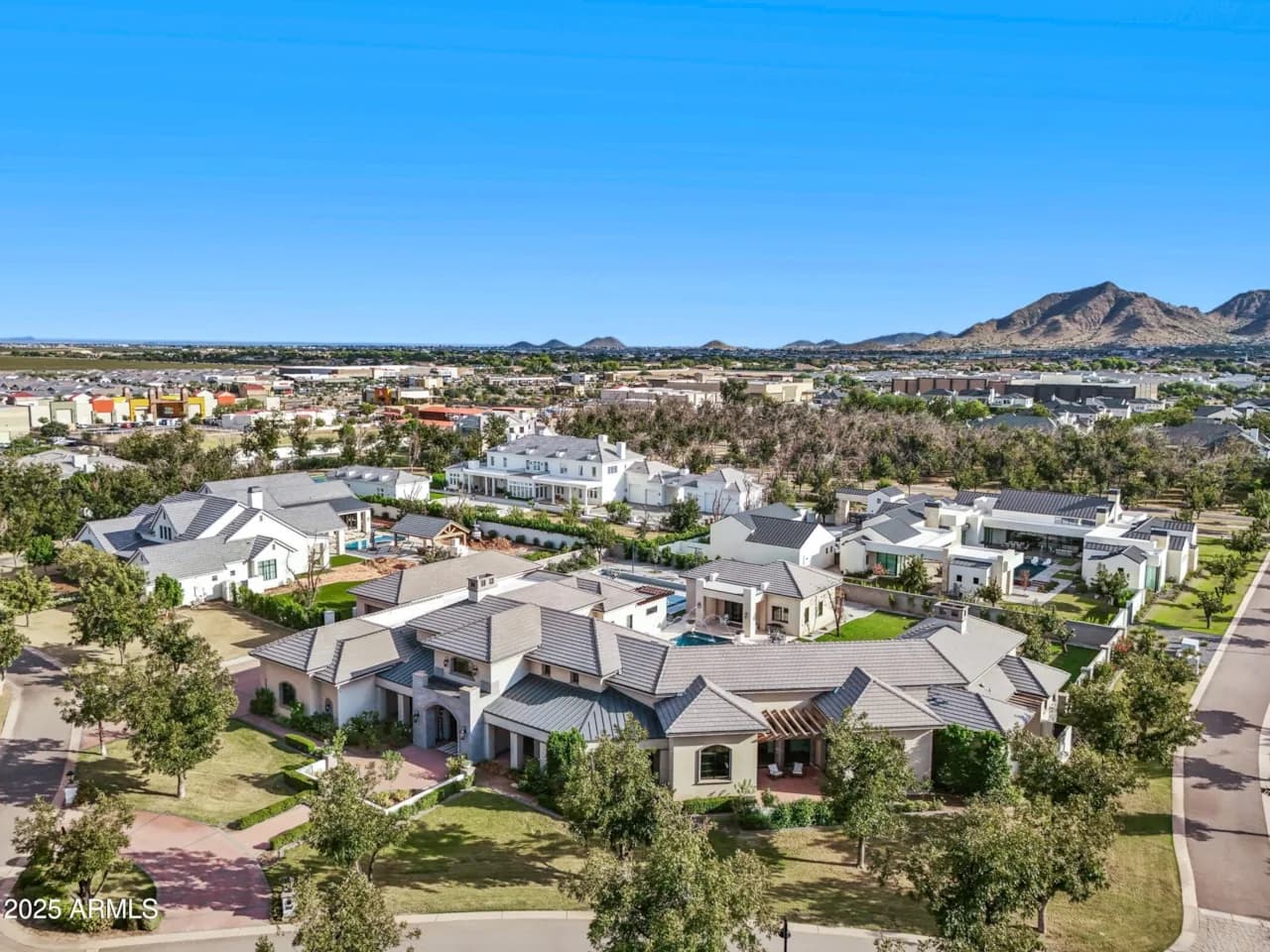
Newer housing stock. Large parts of the East Valley were built in the last thirty years, much of it in the last fifteen. If you are tired of maintaining a ninety-year-old house, that is a meaningful quality-of-life difference — modern insulation, modern electrical, garages that fit a modern car.
Space. Lots are bigger. Rooms are bigger. Garages are bigger. It sounds trivial written down and it does not feel trivial to live in.
A market with room to think. Metro Phoenix carried 17,659 active listings in July 2026 against 15,042 in Los Angeles County, with a median 67 days on market against 53. More inventory and slower movement means you can look at a house twice, get an inspection, and negotiate — rather than waiving contingencies to compete.
What people regret
The summer. Every time. June through September is not "hot weather", it is a different way of living for a third of the year. Outdoor life moves to before 8am and after 8pm. Steering wheels are unusable. Some people find the trade entirely acceptable. Others find it isolating in a way they did not anticipate, and no amount of reading prepares you for it.
If you take one thing from this article: visit in July. A February visit tells you nothing about the decision you are making.
Cooling costs on the wrong house. Not on any house — on a house that was chosen without thinking about heat. A lot of west-facing glass, poor insulation, an HVAC unit at the end of its life, a dark roof. These are all knowable before you buy. Ask any seller for twelve months of utility bills; they can produce them, and the number tells you more than any estimate.
The pool. Everybody wants one in the listing photos. It is equipment that runs, chemistry that needs managing, and a monthly cost whether or not anyone swims. Plenty of people love theirs. Plenty of others inherit one and resent it. Decide deliberately rather than by default.
Landscaping is not zero-maintenance. "Desert landscaping" gets sold as no work. In practice, irrigation systems fail, gravel needs refreshing, and mature desert plantings need real care. Less water than a lawn, yes. Less work, no.
The driving. The Valley is enormous and low-density. Most trips are a car trip, and a fifteen-mile commute is normal. If you are coming from somewhere walkable, this is a genuine adjustment and it is worth factoring into where you buy rather than treating it as a detail.
Missing the coast. People from Southern California underestimate this one consistently. It is not only the ocean — it is the temperature range that comes with being near it. San Diego and Phoenix are not the same climate with different prices.
The things that are neither, but need planning
- Monsoon season, roughly July through September: dust storms and intense short-duration rain. Check drainage and roof condition on any home you are serious about.
- HOAs are common in newer communities. Some are light-touch, some govern your paint colour. Read the CC&Rs before you are emotionally committed to the house.
- Vehicle registration and licensing need doing when you become a resident, and registration involves an emissions test in the Phoenix area. Work from the Arizona Department of Transportation directly.
How to make the decision well
The people who are happiest here two years later did roughly this:
- Visited in summer. Not instead of a nice-weather visit — as well as.
- Priced a real house, in a real area they would genuinely live in, and built the monthly number from it including cooling and insurance.
- Watched the market for a couple of months before needing to act, so they could recognise a good one when it appeared.
- Asked what they would miss, and were honest in the answer.
If that sounds like where you are, the relocation guide walks through the process end to end, and there is a California-specific version with the equity math and a like-for-like market comparison.
And if you would rather just ask someone who lives here — that is what I am for.
Sources
Market figures: Realtor.com residential listing data redistributed by FRED (Federal Reserve Bank of St. Louis), July 2026 — Los Angeles County and Phoenix–Mesa–Chandler metro. Metro-wide medians; individual neighbourhoods differ, and these figures move monthly.
Talk it through
Have a question about your own situation?
General guidance only goes so far. Send Saro a few details and he’ll give you a straight answer about your home, your neighborhood, and your timeline.
Frequently asked questions
What do people regret most about moving to Arizona?
The summer, more than anything else — June through September is a genuine lifestyle change rather than a statistic, and almost everyone underestimates it. After that — cooling costs on a home that was not chosen with heat in mind, the ongoing work of pool and desert-landscape upkeep, and how much driving the Valley's layout requires. None of these are secrets, and all of them are easier to plan for than to discover.
Is the Arizona summer really that bad?
It is four months of genuinely extreme heat, and it reorganises the day — outdoor life moves to early morning and evening. Many people find the trade acceptable because the other eight months are exceptional. Others find it isolating. The most useful thing you can do is visit in July rather than in February, because a February visit tells you nothing about the decision you are actually making.
Which is better for a family relocating, Phoenix or the East Valley?
It depends on commute and housing stock rather than on any general ranking. The East Valley — Chandler, Gilbert, Queen Creek, Mesa — carries a lot of newer construction, larger lots and proximity to the tech and manufacturing employment corridor. Phoenix itself spans everything from downtown condos to established neighbourhoods with mature trees. Working out which one fits starts with where you will actually need to be on a Tuesday morning.
Should I rent first before buying in Arizona?
For a lot of people, yes — particularly if you have never lived through a Phoenix summer. Renting for a season costs money but it removes the largest unknown, and it lets you learn the geography before committing to a specific area. If you are confident in the decision and the numbers work, buying directly is perfectly reasonable. It is a genuine trade-off rather than a rule.
Saro Hagobian
REALTOR®, Barrett Real Estate
Saro Hagobian is a Chandler-based Arizona REALTOR® helping buyers, sellers and investors across Phoenix, Scottsdale, Chandler, Gilbert, Mesa and Queen Creek.
More about Saro- moving to arizona
- relocation
- california to arizona
- Arizona homes